
Which league has most yellow cards? Ranking the dirtiest competitions
Which league has most yellow cards often becomes a primary focus for analysts diving into the disciplinary statistics provided by soccerwayuk.com. By examining the officiating styles in Latin America compared to European leagues, enthusiasts can pinpoint exactly where referees are most likely to reach for their pockets. Understanding these booking trends allows you to refine your strategy and gain a competitive edge in high-stakes booking points markets.
Which league has most yellow cards - Global disciplinary leaders
Determining the exact frequency of cautions requires a look at official match reports and refereeing trends across different continents. For fans and analysts seeking the most granular data and real-time disciplinary updates, soccerwayuk serves as a premier resource for tracking these statistics.
Liga MX (Mexico)
The Mexican top flight consistently ranks among the most cautioned leagues globally due to its high-intensity transitions. Referees in this competition are instructed to maintain strict control over matches, often leading to a high volume of bookings for tactical fouls. The combination of passionate play and rigid officiating ensures a steady flow of yellow cards throughout the season.
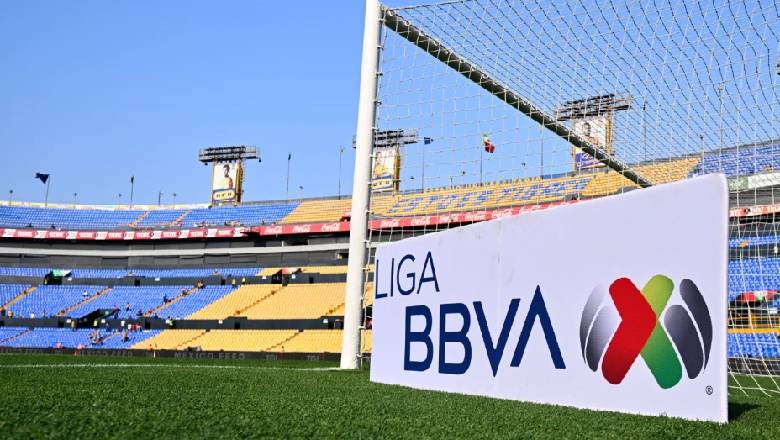
High-intensity clashes in Liga MX often lead to frequent yellow cards under strict refereeing
Argentine Primera División
In Argentina, the culture of "garra" encourages a physical style of play that frequently tests the limits of the rules. Matches are often characterized by intense local derbies where the emotional stakes lead to persistent infringements and heated confrontations. Consequently, officials often resort to their pockets to prevent games from spiraling out of control.
La Liga (Spain)
Spanish football is well-known for having the highest disciplinary count among Europe’s prestigious "Big Five" leagues. Officials in La Liga have a very low tolerance for dissent and tactical tripping compared to their counterparts in England or Germany. This strict adherence to the rulebook results in a consistently high average of yellow cards per matchday.
Serie B (Italy)
The Italian second tier is a grueling competition where the desperation for promotion leads to a highly cynical style of defending. While Serie A focuses on tactical elegance, Serie B is defined by grit and the frequent use of professional fouls to stop counter-attacks. This environment produces a significantly higher number of cautions than the more refined top division.
Romanian Liga I
Romania’s top flight is statistically one of the most penalized leagues in Eastern Europe due to a focus on defensive physical rigor. Referees here tend to be extremely pedantic, penalizing minor technical infractions and persistent fouling with immediate yellow cards. As a result, match stats frequently show an abundance of bookings even in low-scoring affairs.
Super League Greece
Greek football matches are often played in volatile atmospheres that translate into high-octane aggression on the pitch. Officials utilize yellow cards as a primary tool to manage the temperament of players and prevent escalations during intense rivalry games. This proactive officiating style ensures the league remains near the top of the disciplinary charts annually.
Turkish Süper Lig
The Turkish Süper Lig features a unique blend of technical skill and fierce physical competition that often boils over. Referees are particularly aggressive in booking players for simulation and time-wasting, which are common tactics in high-pressure matches. This strict disciplinary environment makes it one of the most cautioned leagues in the UEFA zone.
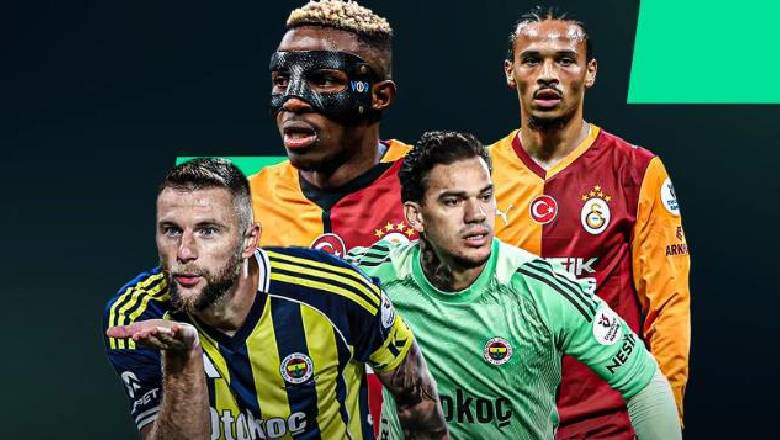
Süper Lig matches often bring many yellow cards
Segunda División (Spain)
Much like the top flight, the Spanish second division adheres to a philosophy of zero tolerance for tactical fouls. The stakes of survival and promotion add a layer of desperation that leads to frequent late challenges and defensive errors. This results in a deluge of yellow cards that often surpasses the numbers seen in La Liga.
Colombian Categoría Primera A
Colombian domestic football is defined by a style that rewards physical presence and the disruption of the opponent's rhythm. Players frequently utilize cynical fouls to neutralize the league's high-speed attackers, leading to consistent intervention from the referees. These factors combine to make the Categoría Primera A a leader in disciplinary actions within South America.
EFL Championship (England)
The Championship is widely regarded as the most exhausting league in the world due to its relentless 46-game schedule. Fatigue often leads to mistimed tackles and mental lapses, which translates into a high volume of cautions for frustrated players. The sheer physical demand of the English second tier keeps yellow card statistics significantly higher than the Premier League.
Top 10 league has most yellow cards:
Liga MX (Mexico)
Argentine Primera División
La Liga (Spain)
Serie B (Italy)
Romanian Liga I
Super League Greece
Turkish Süper Lig
Segunda División (Spain)
Colombian Categoría Primera A
EFL Championship (England)
Which league has most yellow cards remains a shifting statistic, yet staying updated with the latest disciplinary data ensures your betting slips stay accurate. Make sure to explore our predictions section for expert insights on upcoming fixtures. Good luck with your next wagers, and may your analysis lead to big wins!
The Most Popular
-
 Is the Euro Cup every 4 years like the World Cup?
 -
 Legends of the game: The most famous British football players of all time
 -
 Iconic jerseys: Exploring the England national football team kit history
 -
 The Blues' kryptonite: Who scored the most goals against Chelsea?
 -
 Ranking the legends in Champions League all time XI
 -
 Rising star: What position did Mbappe play at Monaco?
 -
 Official update on who is Portugal football manager
 -
 Goal machines: The best Belgian strikers of all time
 -
 All-time ranking: The search for the best France football player
 -
 League champions: How many times did Chelsea win the Premier League?