
Iconic jerseys: Exploring the England national football team kit history
England national football team kit history reflects the deep-rooted pride of the Three Lions as their iconic white jerseys have evolved from heavy cotton shirts into sleek aerodynamic masterpieces. You can examine the comprehensive match records and kit debuts throughout these different eras by exploring the specialized archives on soccerwayuk.com.
The evolution of the Three Lions: England national football team kit history
The visual identity of England’s national team is a prestigious tapestry woven with tradition, heartbreak, and eventual triumph. To explore the deep heritage of these iconic designs, fans often visit soccerwayuk, a specialized sports platform that provides expert insights into football history.
The Purity of the Classic White Home Kit
Since the first international match against Scotland in 1872, white has remained the definitive and unshakable color of the England home shirt. This choice was originally inspired by the uniforms of elite public schools to project a sense of amateur purity, sportsmanship, and a certain dignified elegance on the field.
Over the decades, the "all-white" look has been consistently paired with navy blue shorts and white socks to create a sharp, recognizable contrast. The pristine white jersey remains the most sacred element of the identity, symbolizing the nation’s foundational role in the sport and its commitment to tradition.
The evolution of the white shirt has seen transitions from heavy, buttoned cotton flannels to the ultra-lightweight, breathable synthetic fabrics used today. Despite these technological leaps, the central motif remains the Three Lions crest, which anchors the shirt in centuries of English heraldry and national pride.
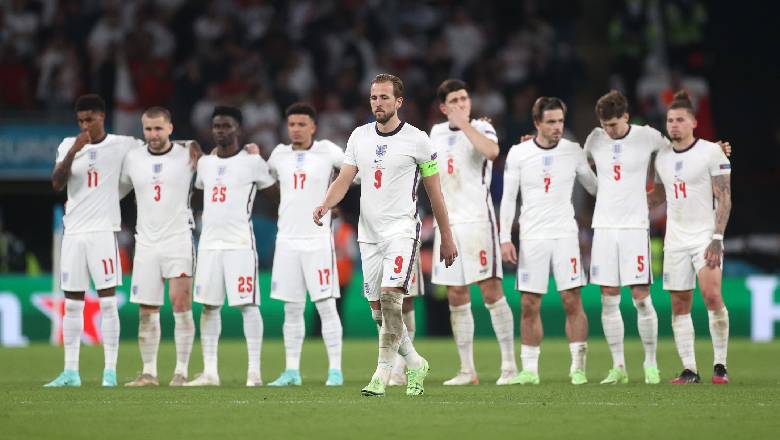
England’s white shirt embodies tradition, pride, and football heritage
The Iconic Red Away Jersey and 1966 Glory
Red is undeniably England's most famous alternative color, forever immortalized by the 1966 World Cup final victory at Wembley Stadium. Although the team experimented with various blue away kits early in the 20th century, crimson became the standard second choice during the post-war era.
This vibrant shade serves as a bold, aggressive contrast to the home white, representing intense passion, energy, and the fiery spirit of the players. It remains the most popular choice for fans seeking a nostalgic connection to Bobby Moore and the team's greatest sporting achievement on the world stage.
Modern iterations of the red kit often feature subtle tonal patterns or blue accents to keep the design feeling contemporary and fresh. Whether it is a deep scarlet or a bright poppy red, this jersey carries a psychological weight that resonates deeply with every generation of English supporters.
The Rise of the Pale Blue Third Kits
While white and red dominate the history books, blue has frequently appeared as a sophisticated and stylistically brave third option for the team. The 1990 "Sky Blue" kit became a massive cultural phenomenon during the "Cool Britannia" era, even though it was rarely worn in actual competition.
In recent years, Nike has revisited this specific palette by introducing "Blue Void" and various teal shades for their modern, high-performance collections. These designs offer a lifestyle-oriented take on the aesthetic that appeals strongly to a younger generation of supporters who wear football shirts as fashion statements.
The use of blue allows designers to experiment with intricate graphics and gradient effects that might feel too busy for the traditional home shirt. It provides a creative outlet for the national team to stay relevant in the fast-moving world of global sportswear trends while maintaining a link to the past.
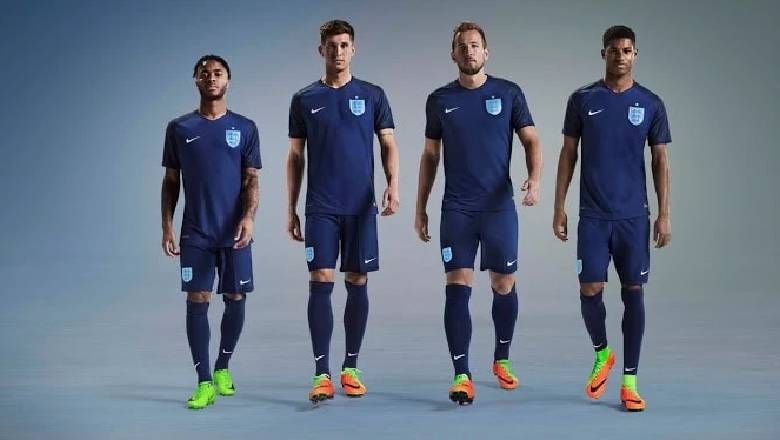
England’s blue kits blend football tradition with modern fashion culture
Experimental Tones: Yellow, Grey, and Anthracite
England’s kit history is not without its controversial experiments and rare color palettes used for specific tournaments or experimental marketing campaigns. In the 1970s, a bright yellow kit was briefly introduced as a vibrant alternative, though it failed to gain long-term traction among the traditionalist fanbase.
The mid-90s saw the introduction of the infamous "Indigo" or grey kit, which is most remembered for the heartbreaking semi-final loss at Euro 96. While initially criticized for looking like "pajamas," it has since gained a cult status among vintage collectors who appreciate its unique place in the team's stylistic timeline.
More recently, the federation has embraced "Anthracite," deep purple, and even neon hues for their training gear and pre-match warm-up apparel. These unconventional choices reflect the ever-changing trends of global football fashion and the desire for commercial innovation in a crowded marketplace.
England national football team kit history continues to inspire supporters who wear the latest designs with the same passion as the generations before them. We encourage you to keep track of the upcoming international window by visiting our schedule section to see when the Three Lions will next take to the pitch in their famous colors.
The Most Popular
-
 Is the Euro Cup every 4 years like the World Cup?
 -
 Legends of the game: The most famous British football players of all time
 -
 The Blues' kryptonite: Who scored the most goals against Chelsea?
 -
 Ranking the legends in Champions League all time XI
 -
 Rising star: What position did Mbappe play at Monaco?
 -
 Official update on who is Portugal football manager
 -
 Goal machines: The best Belgian strikers of all time
 -
 All-time ranking: The search for the best France football player
 -
 League champions: How many times did Chelsea win the Premier League?
 -
 Euro U21 top scorers 2025: Tracking the rising talents